
Data format guides
Five references written against the published specifications rather than blog folklore: what the grammar permits, what implementations actually do with your data, and which failure costs you real characters.
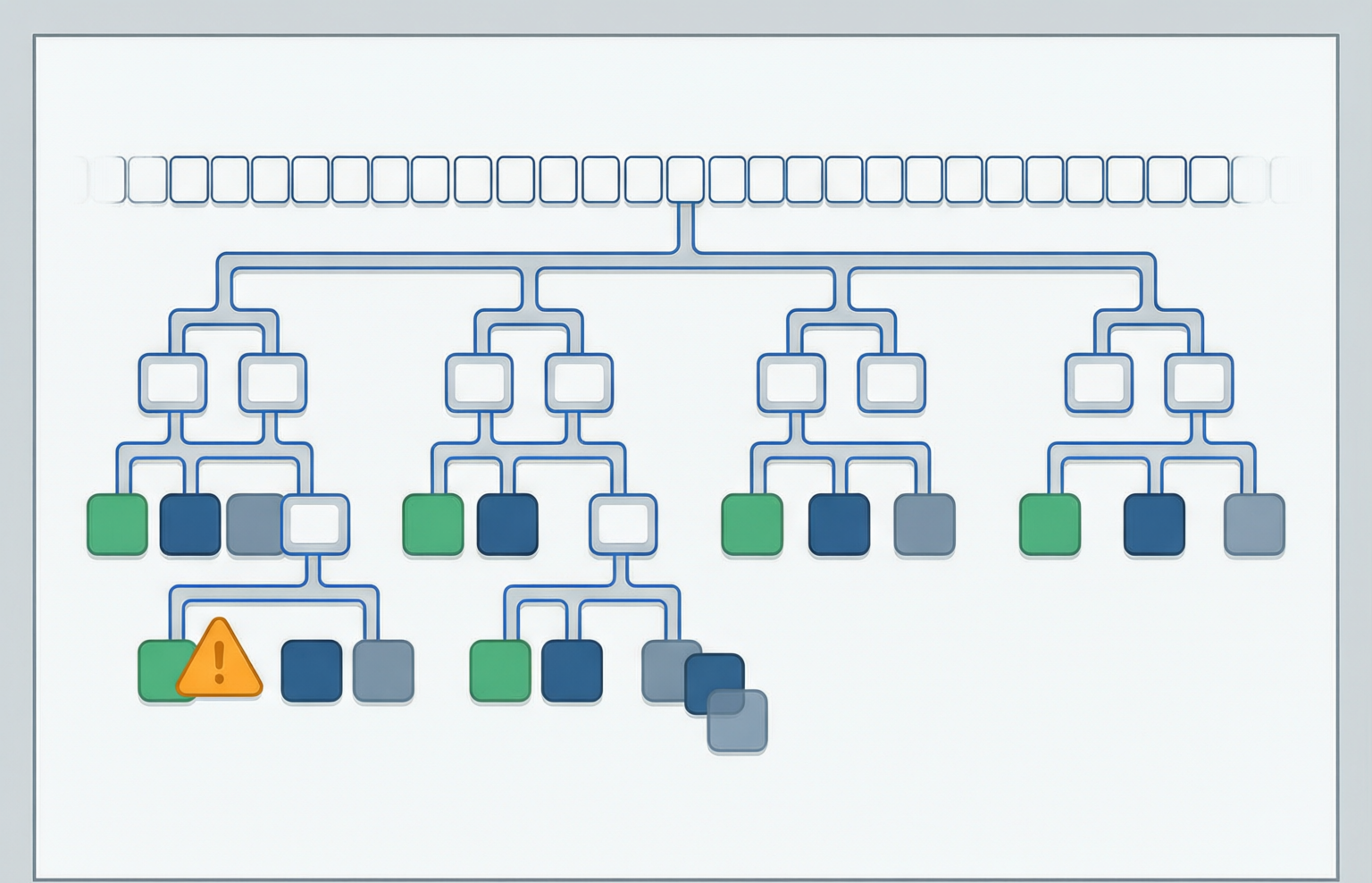 Format reference · 10 minJSON: The Complete Specification GuideThe grammar, the number rules, duplicate names, member order, and the damage a lenient parser hides — with a TL;DR per section.November 17, 2026
 Format reference · 13 minCSV: The Complete Format GuideThe grammar, the quoting rules, the byte-level traps and the exact places where a harmless-looking text file loses your data.November 17, 2026
 Format reference · 20 minYAML: The Complete Guide to the Format That Types Your DataWhy unquoted NO becomes false, why 1.10 becomes 1.1, and how indentation, anchors and the two versions of the spec turn into production incidents.November 17, 2026
 Format reference · 20 minXML: The Complete Guide to Markup That Refuses to DieThe five markup rules, how namespaces actually resolve, what a parser hands you, and why the formats SOAP, RSS, SVG and Office still depend on XML.November 17, 2026
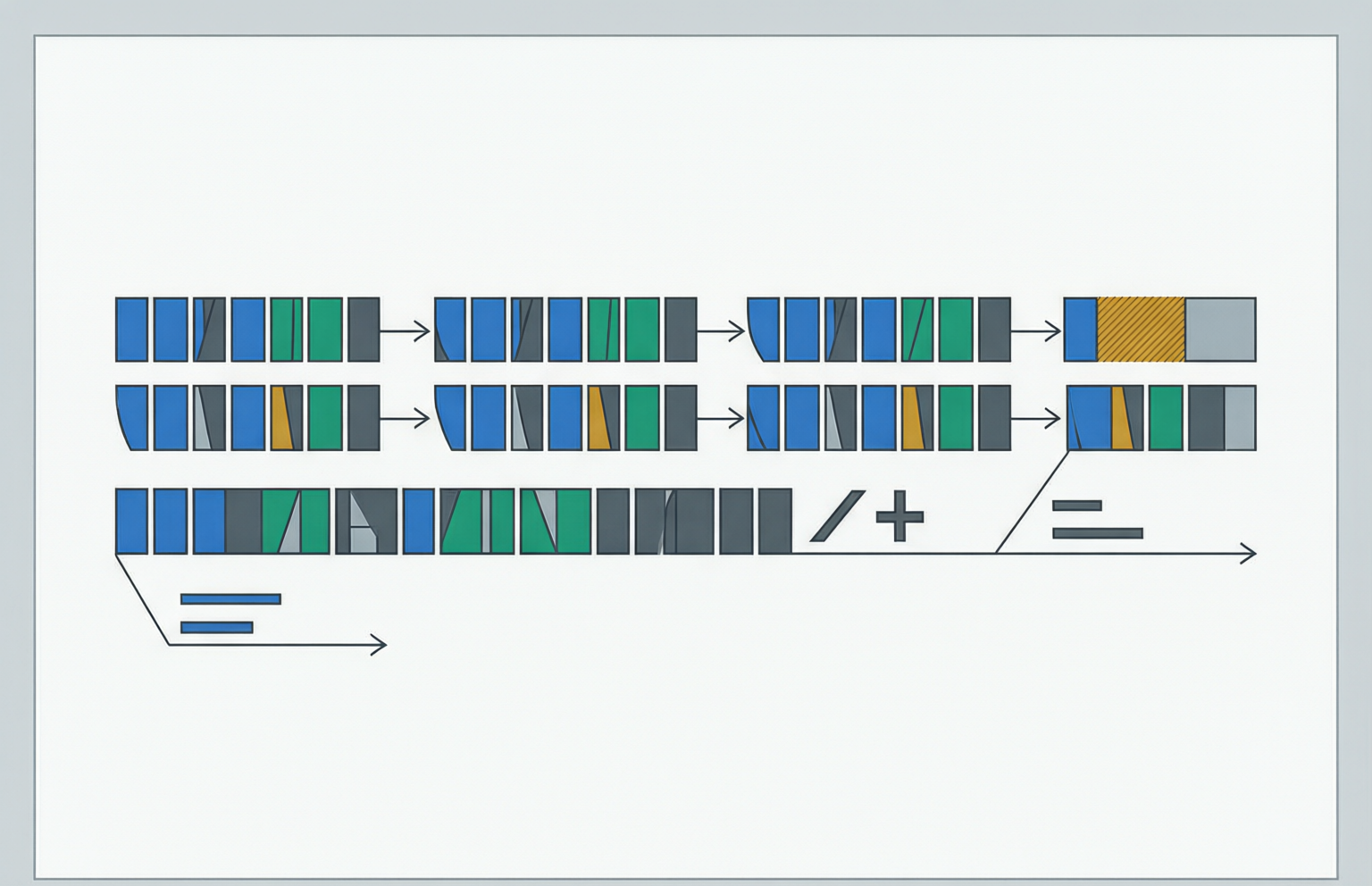 Format reference · 9 minBase64: The Complete Encoding GuideThree bytes become four characters — the arithmetic, the alphabets, the padding rules, the 33% overhead, and every place the encoding shows up in practice.November 17, 2026
Before you start
Common questions
Are these guides a substitute for the specification?
No. Each guide cites the clause it describes — RFC 8259 for JSON, RFC 4180 for CSV, the YAML 1.2 spec, XML 1.0 Fifth Edition and RFC 4648 — and links to it in the source list. The guides explain what the clauses mean in practice and where implementations diverge from them.
Which guide should I read first?
If you are moving data between two systems, start with the guide for the format you are writing, not the one you are reading: most corruption happens during serialisation. The JSON and CSV guides cover the two cases that come up most often.
Do the guides recommend a tool on this site?
Each guide links to the converters that implement the rules it describes, and every converter runs locally in your browser, so the page you are reading is not an upload gateway for your data.