
Format comparisons, decided on the differences that matter
Seven head-to-head references. Each one measures the same record in both formats and stops where the choice actually gets made: nesting against columns, implicit typing against quoted strings, and the spreadsheet that silently rewrites your identifiers.
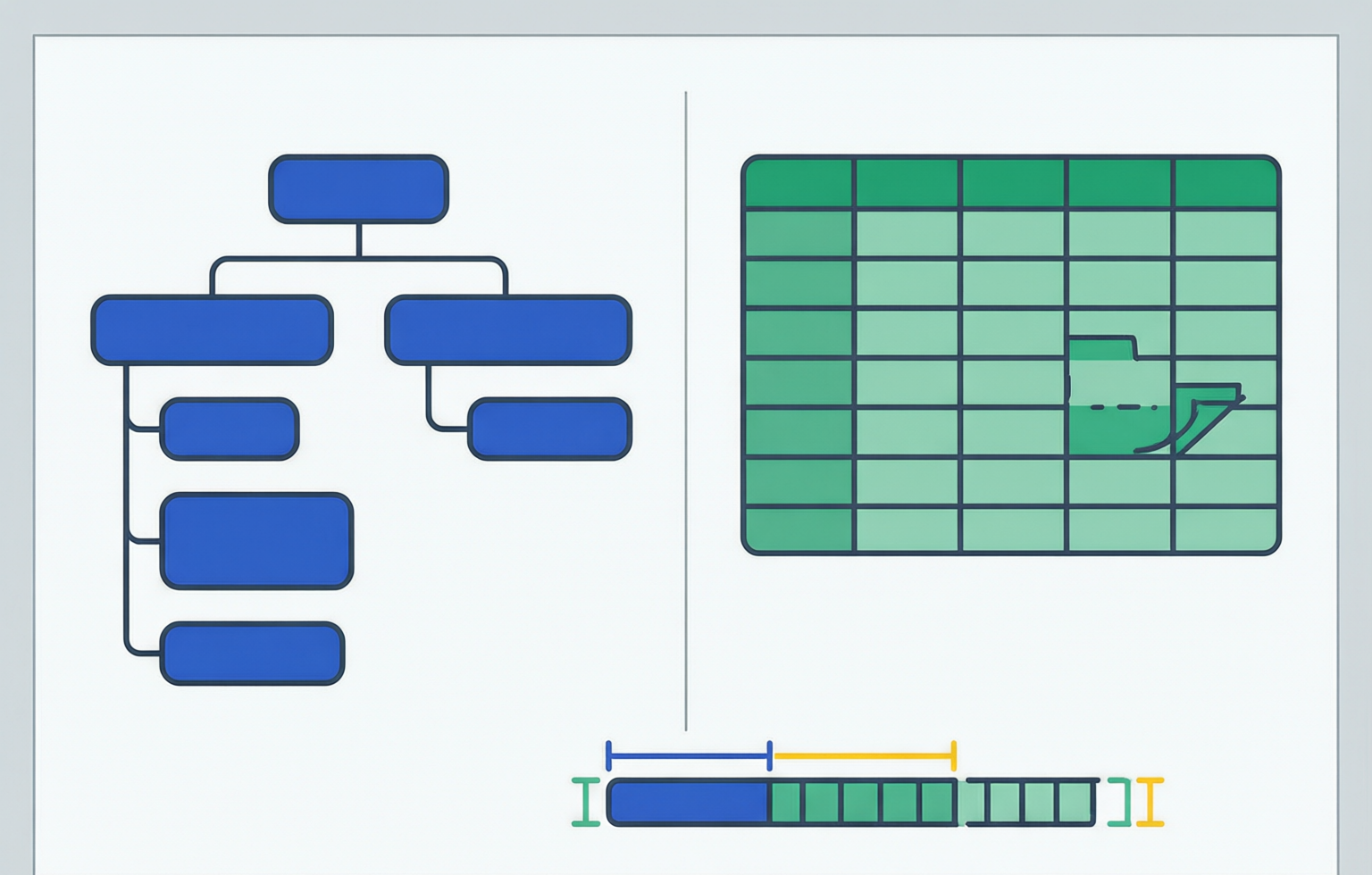 Format comparison · 28 minJSON vs CSV: Which Format for Your Data?Hierarchy against a grid: the differences that decide where a payload should live, measured on the same record.November 12, 2026
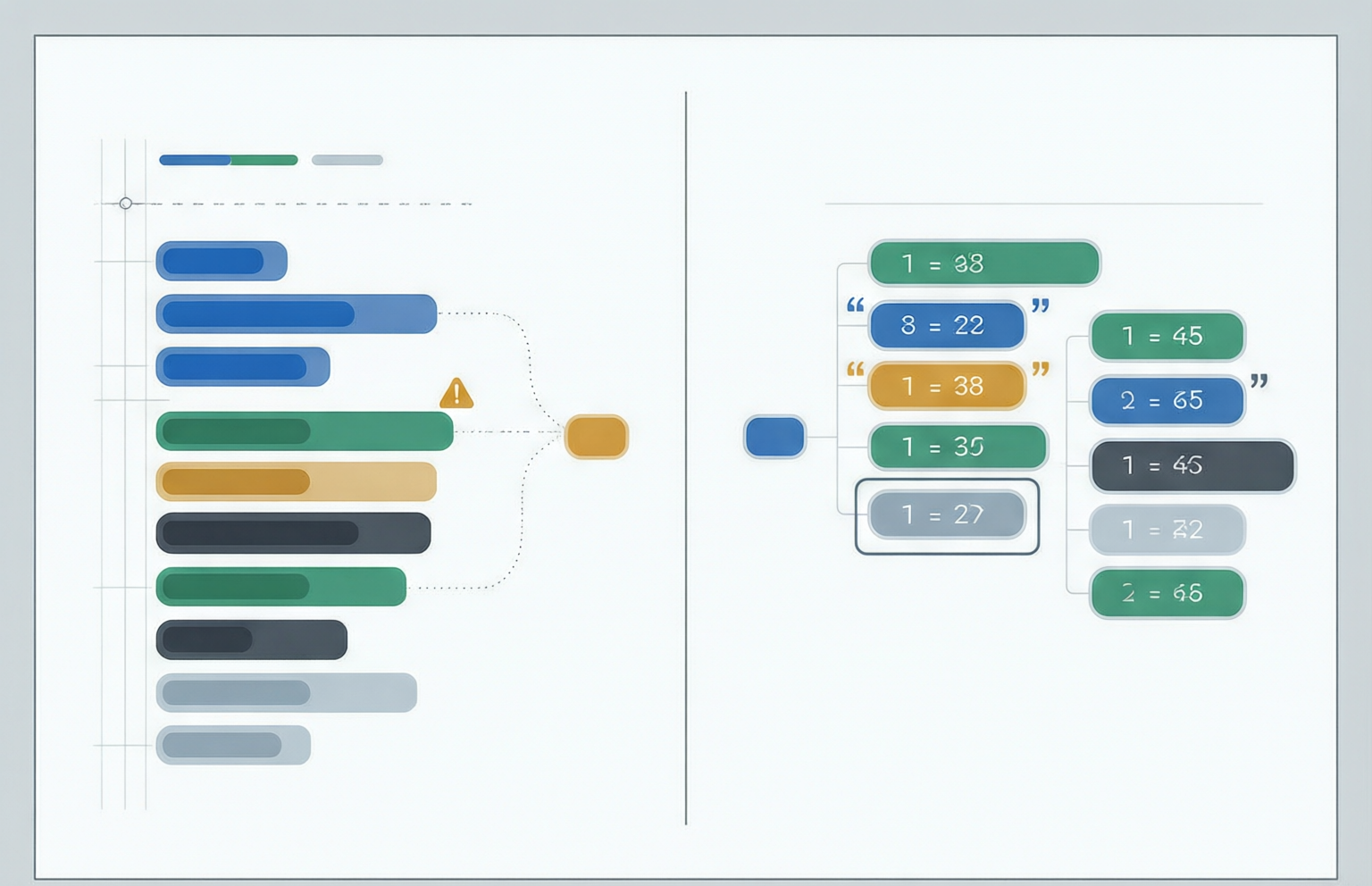 Format comparison · 28 minHow YAML and JSON Diverge, Line by LineThe same payload in YAML and JSON, and an exact account of what a converter keeps, guesses or throws away: types, keys, comments, anchors and documents.November 12, 2026
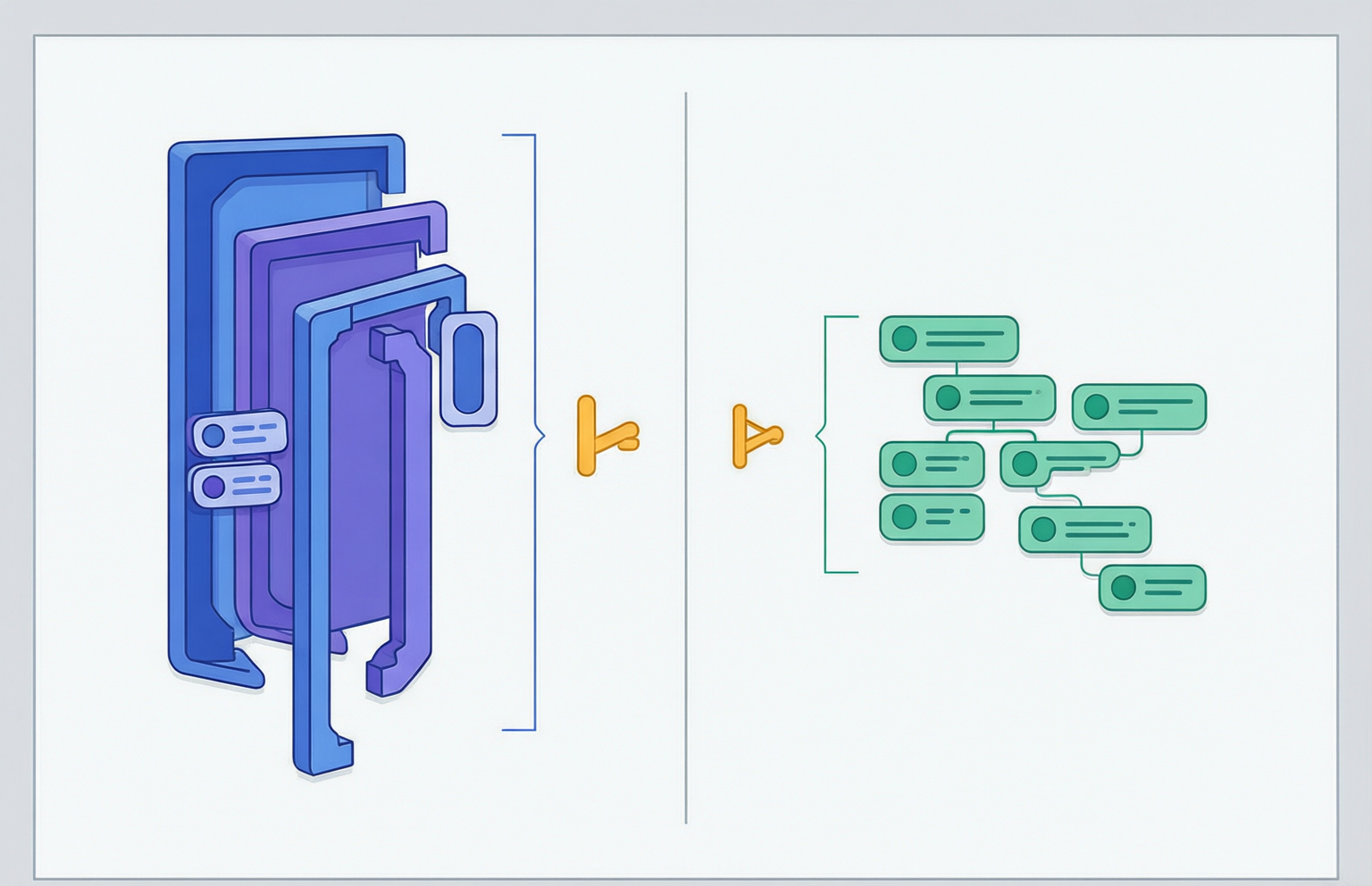 Format comparison · 28 minXML and JSON Are Two Different Data ModelsThe formats are not two spellings of one idea, so conversion is a projection with named losers — here is what falls out, what it costs, and which one to choose.November 12, 2026
 Format comparison · 25 minCSV vs TSV: Choosing a Delimiter That Will Not Bite YouThe same grid with a different delimiter — and the reason data engineers default to tabs while business users default to commas.November 2, 2026
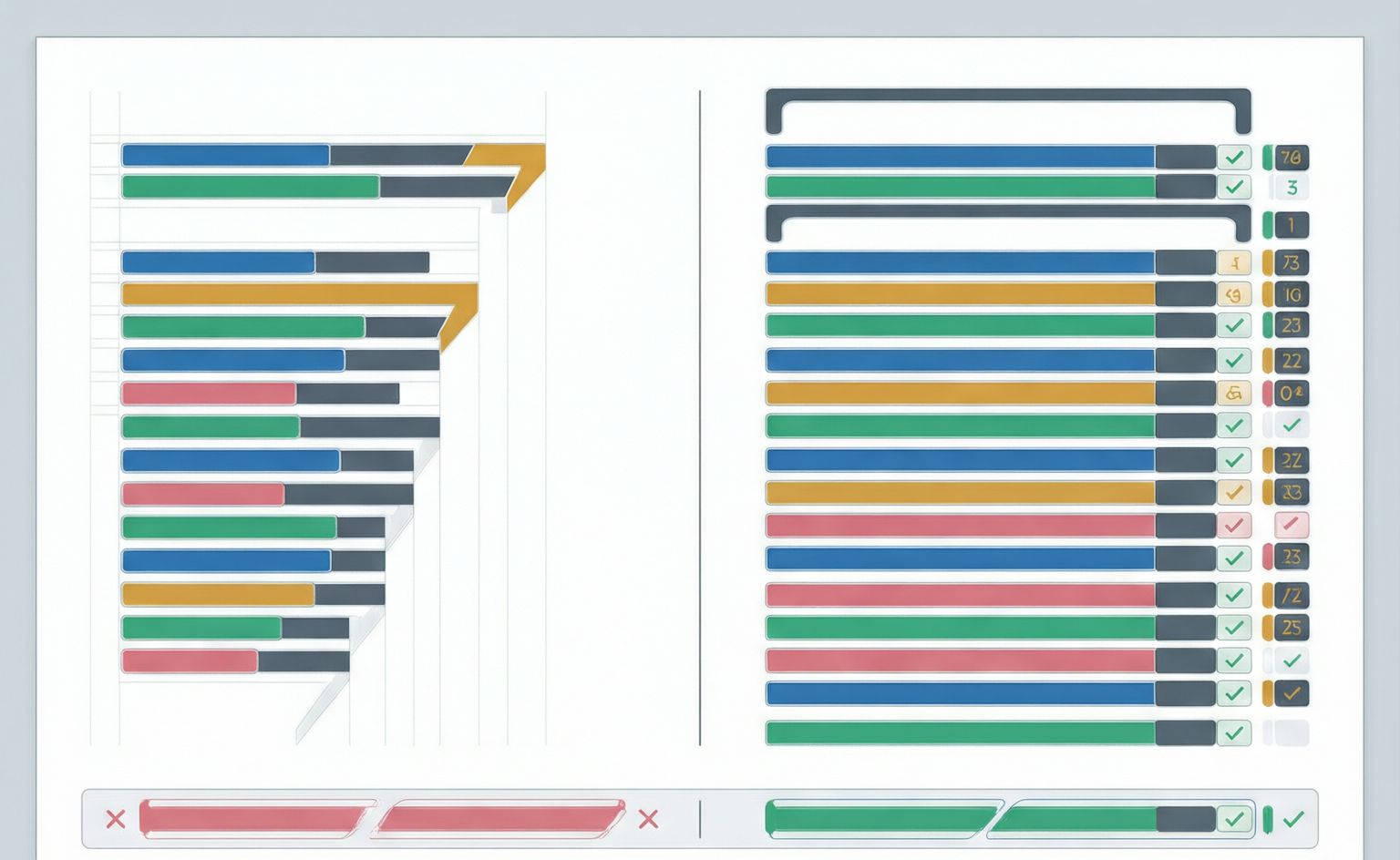 Format comparison · 27 minYAML and TOML, Compared on the Things That BreakTOML exists because YAML configuration could not be edited safely by tools. Here is the whole argument, checked clause by clause against both specifications.November 12, 2026
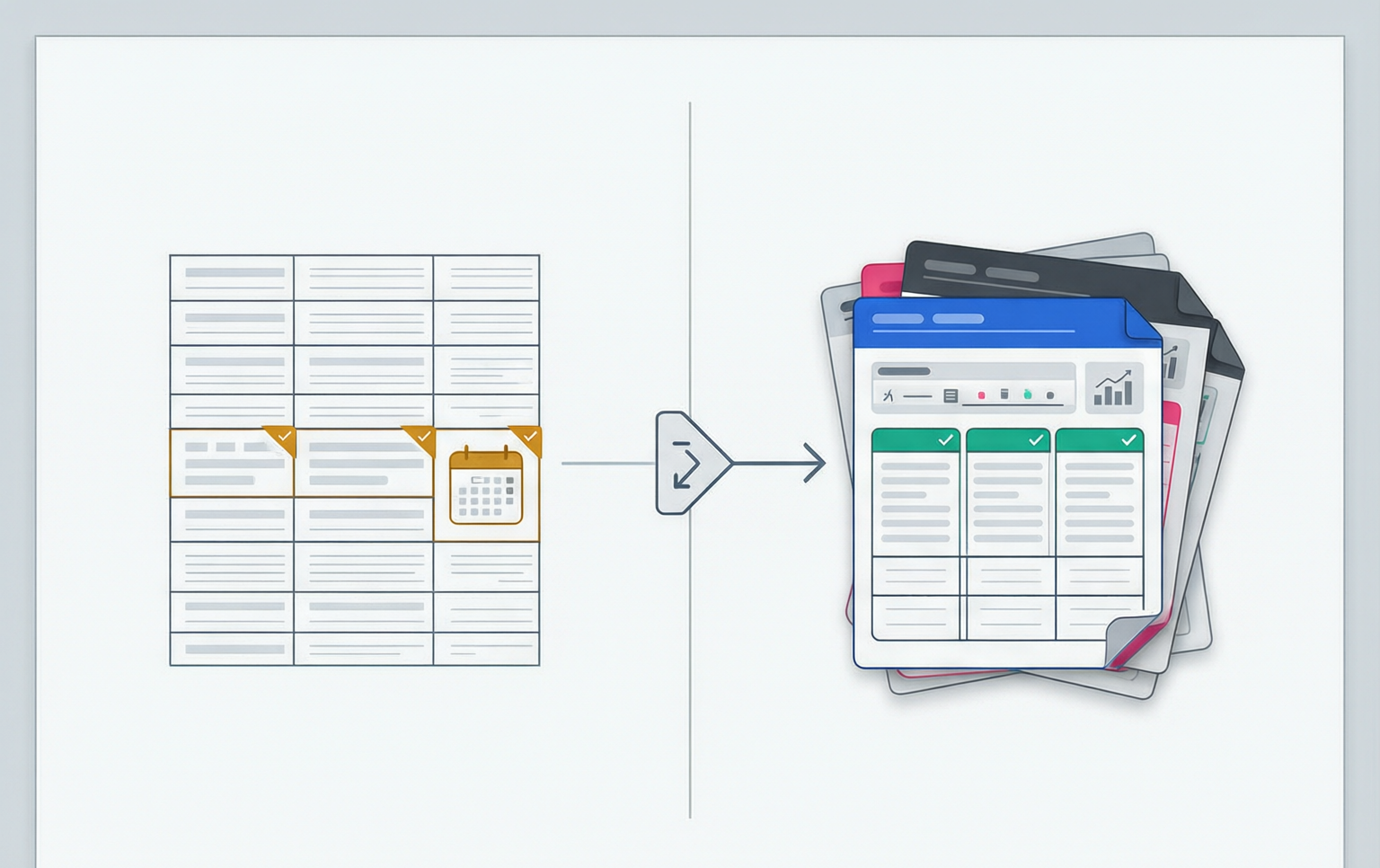 Format comparison · 27 minCSV vs Excel: Plain Text Against a Machine That GuessesA CSV is a byte stream with a grammar; an Excel file is a ZIP package of XML parts, and Excel itself is a machine that guesses types before you see the first cell.November 12, 2026
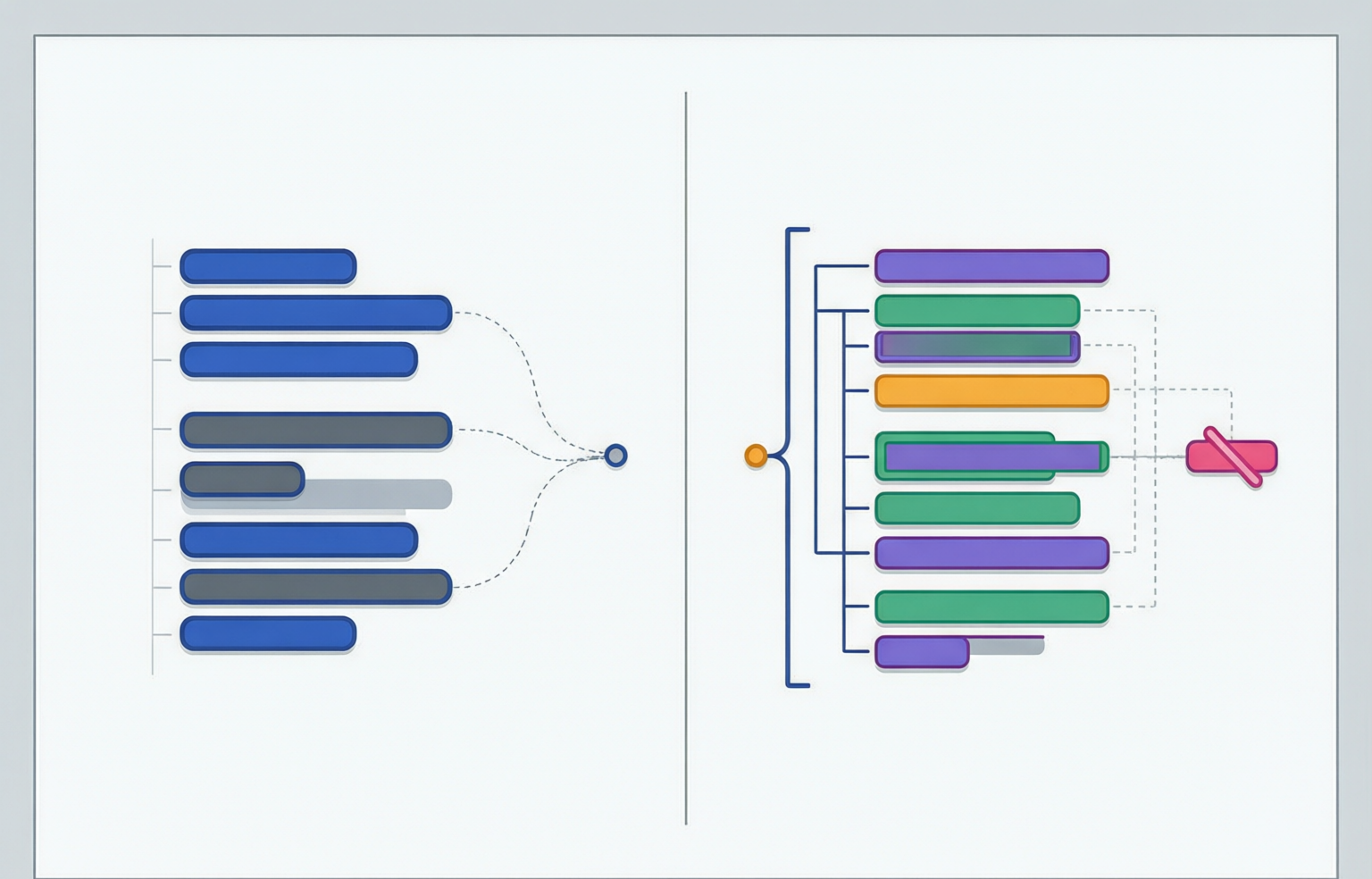 Format comparison · 23 minYAML and XML Are Not Two Syntaxes for the Same TreeXML standardises the tree, the schema, the path syntax and the canonical form; YAML standardises the text and leaves the rest to your parser, and that asymmetry decides every conversion rule.November 12, 2026
Before you start
Common questions
How are these comparisons measured?
Where a page quotes a size ratio or a count, it is produced from the same record encoded in both formats and described in the text, or attributed to the published source and year. Benchmarks that depend on a specific library version are labelled as such.
Is one format always the winner?
No, and a page that claimed so would be useless for a decision. Each comparison states the conditions under which each format is the better choice, then gives the conversion path between them.
Why is there no XML to JSON converter if you compare them?
Because a correct one needs namespace resolution, attribute collapsing and mixed-content rules, which is a different project from the ten converters here. The XML guide explains the mapping decisions you have to make before any tool can be written.